
'/%3e%3cdefs%3e%3clinearGradient%20id='prefix__paint0_linear_4737_37157'%20x1='3.018'%20y1='23.6'%20x2='44.925'%20y2='24.977'%20gradientUnits='userSpaceOnUse'%3e%3cstop%20stop-color='%231CB7FF'/%3e%3cstop%20offset='.502'%20stop-color='%232FF58B'/%3e%3c/linearGradient%3e%3c/defs%3e%3c/svg%3e)


The cult of Bielsa has eventually taken root in Uruguay's 'outrun and overwhelm' approach
May 27 2026 17:08 · By Isaac Johnson · 138 Reads


Uruguay are a quintessential part of World Cup history. The nation hosted, and won, the first finals back in 1930 and after missing the two subsequent tournaments returned in 1950 to win it again.
The competition format may have changed several times and the South Americans may have not reached a final since then but Uruguay have still won more World Cups than frequent favourites Spain, the Netherlands, England and Portugal.
The modern era has been mixed for La Celeste, having failed to qualify for the 2006 edition before reaching the semi-finals of the 2010 finals. In 2022, their group stage exit was their earliest departure for 20 years.
View 5 Images
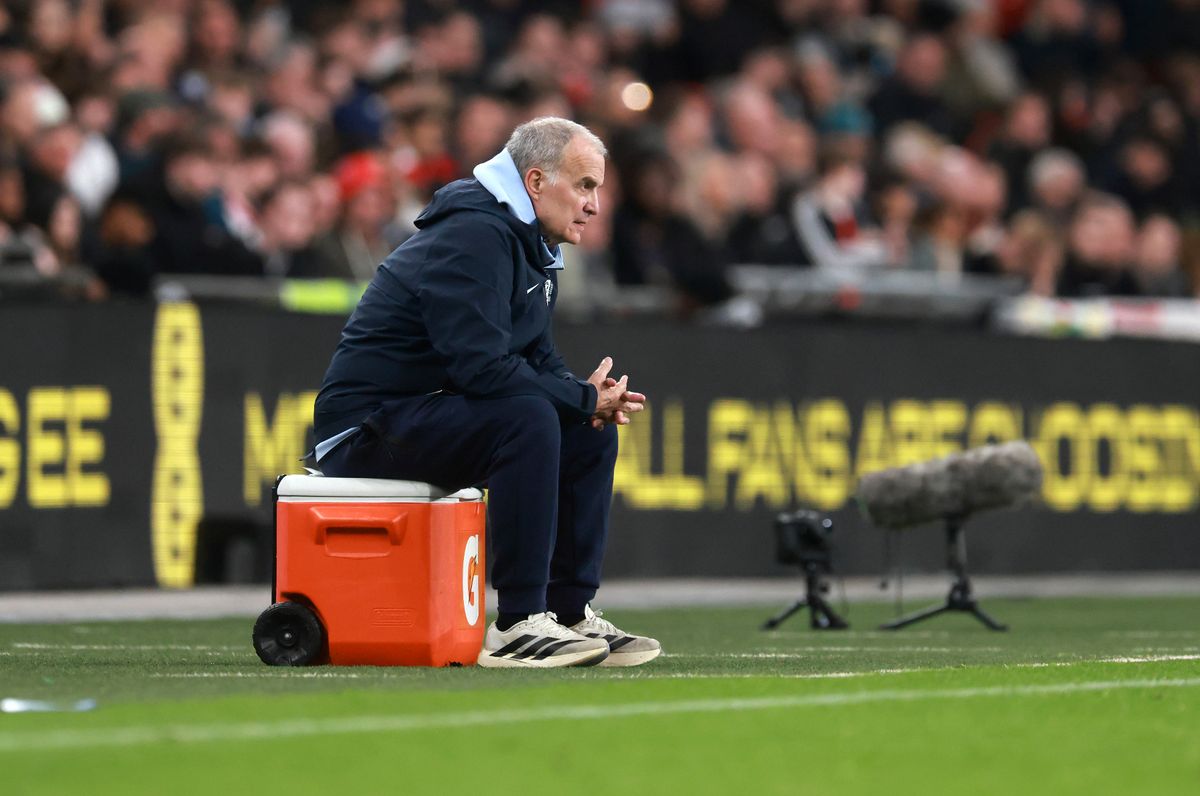
Marcelo Bielsa took charge in May 2023 and comfortably led them to 2026 qualification, with wins registered over Brazil and Argentina in his first six months. But his tenure has been far from smooth.
After finishing third at the 2024 Copa America, the beloved Luis Suarez publicly questioned Argentine Bielsa’s approach and accused him and his staff of creating a problematic environment. Following that tournament, Uruguay won just one of their next 10 games.
After rallying with four wins in six games between June and October - against the lesser Venezuela, Peru, the Dominican Republic and Uzbekistan - a 5-1 friendly defeat to the USA last November sent the domestic press, which had always been sceptical of an outsider, into a furore.
Bielsa responded with an extraordinary near two-hour press conference in which he declared he would not resign but indeed lead Uruguay into the World Cup, despite admitting he had ‘toxic’ traits.
Former players of Leeds United - where he is adorned as a god having guided the club back to the Premier League in 2020 after a 16-year exile - would perhaps not go that far, but it is true he could be a distant character.
View 5 Images
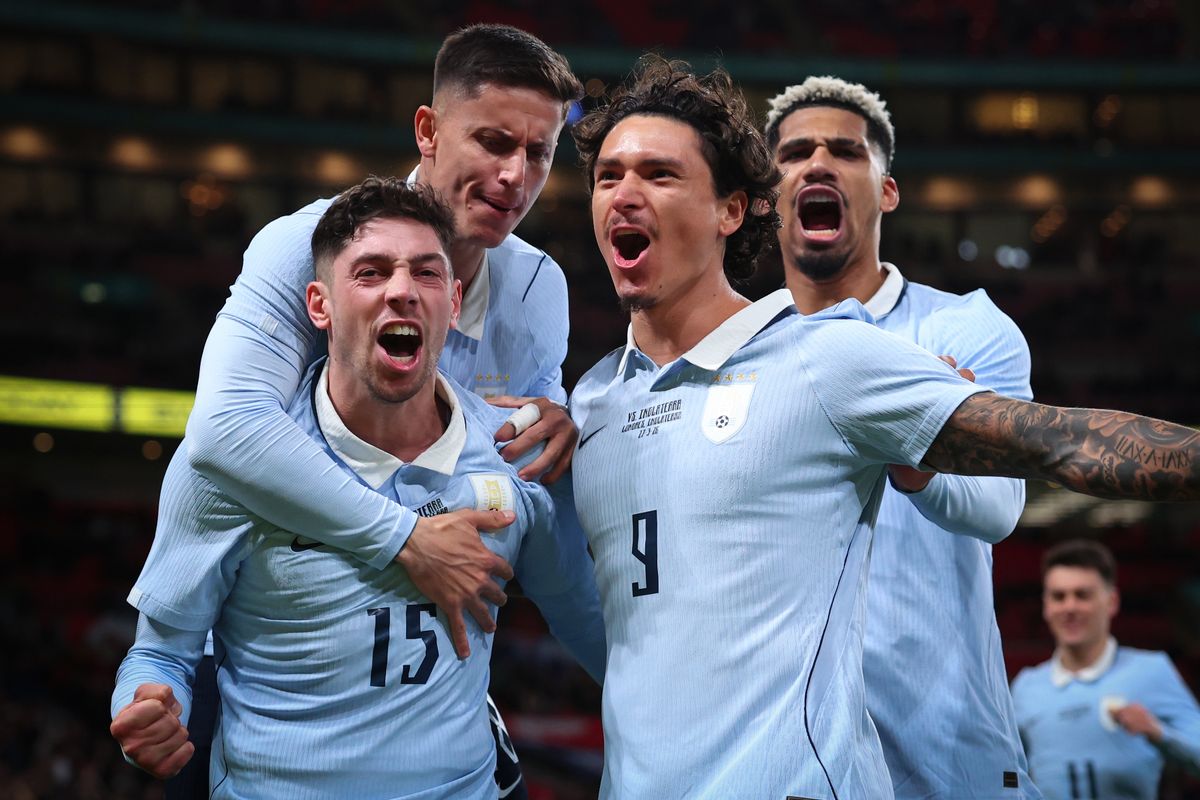
“As a person, you never really got the opportunity to get too close to him simply because he didn't want to have that relationship where you get comfortable and think you can drop your standards,” says Stuart Dallas, one of the Whites promotion heroes.
“Obviously there was mutual respect and I had a good relationship with him and I still do. But he tended not to get too close to the players. That was just his way of raising standards and keeping them at a really, really high level.”
With most of the Uruguay old guard now gone, the likes of Edinson Cavani and Suarez retired, this team is a different one to those seen in the 2010s.
Old-timers such as 99-cap Jose Gimenez and 39-year-old centurion goalkeeper Fernando Muslera still remain but the next generation are now the mainstays.
Real Madrid midfielder Federico Valverde, Barcelona defender Ronald Araujo, Manchester United pivot Manuel Ugarte and former Liverpool attacker Darwin Nunez are where hopes are being pinned. Will it be enough to go far in the competition?
One demand of Bielsa that will never change is physical output, though his system has adapted from the high-intensity murder-ball seen at Leeds. “The man-to-man marking is not as prominent, they often operate with two holding midfielders rather than one,” explains Rocco Dean, the author of incoming September-release ‘El Loco Celeste: Marcelo Bielsa's Uruguayan Adventure’.
“While the overall philosophy remains the same as at Leeds - outrun and overwhelm the opponents - Uruguay's inherent determination to defend with their lives has resulted in very few basketball matches.”
This Uruguay is more about attrition than the Diego Forlan flair that lit up the 2010 finals. Stay in games then try to win them, rather than go for the jugular immediately. Fans, at first disgruntled, have come to see the logic given the defensive balance of the squad.
“He is not widely loved like at other places he has managed,” outlines Dean, “but his transparency and dedication goes a long way, and to my astonishment Bielsa received almost unanimous support following 'Suarez-gate'.”
View 5 Images

This backing could be seen at Wembley during Uruguay’s 1-1 friendly draw with England in March. Scores of Leeds fans made the trip down to the capital to say thank you to their cult hero, many of them designing banners and flags. But also noticeable was the vibrant Uruguay support that spurred their team on to get a late equaliser.
While Brazilians revere skill and Argentinians crave magic, Uruguayans at the very least require their team to be competitive. In that regard, there is no question Bielsa is the right man.
“Hard work, first and foremost, is what he demands of you,” Dallas adds. “Tactically, you've got to understand the game really well, because of how he plays. You've got to understand your roles and responsibilities, and you’ve got to be clear in what's expected from you.
“He'll go into this World Cup and he'll just want everybody to sacrifice as much as he can to try and give Uruguay the best possible platform.”
So what constitutes success at this sumer’s finals for the first-ever World Cup winners? Despite Spain joining them in Group H, Uruguay will be expecting to qualify for the knockouts - with Saudi Arabia to play first before the clash with minnows Cape Verde - especially given eight of the 12 third-placed teams also go through in this expanded 48-team format.
Beyond that “Uruguay have a tough draw but would still consider themselves dark horses,” says Dean. “Of course they should qualify from their group but if they don't beat Spain they will almost certainly face Argentina in round two.
“That would be some battle, and the expectation would be to win because the Uruguayans still hold their football team to the standards set when they became the first footballing superpower 100 years ago; David should always slay Goliath! If they can scrape through to the latter stages, momentum could just spark the best of Uruguay.”
View 5 Images
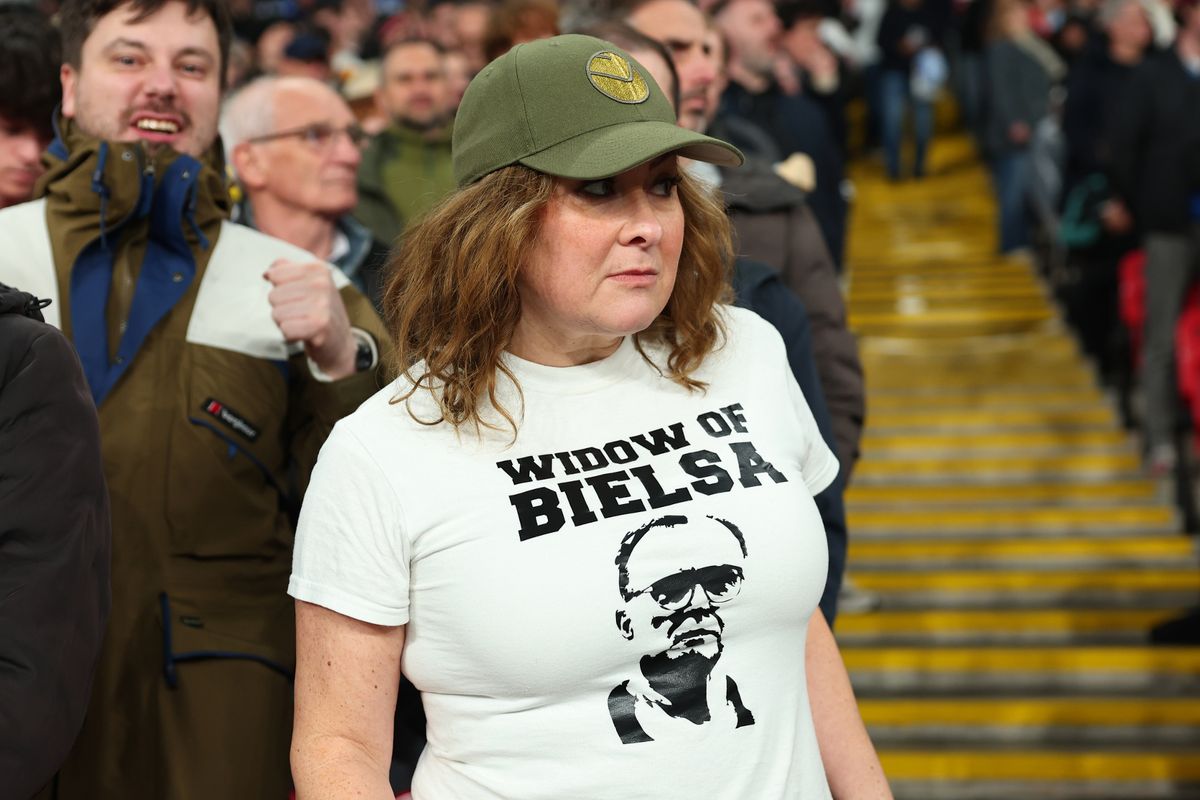
Having a manager who has already managed at two World Cups in their corner will certainly help. Bielsa failed to get Argentina out of the group in 2002 but managed to guide Chile to the last 16 in 2010.
If he can go one better and finally win a knockout game at his third finals, all the toil will have been worth it.
Get the latest World Cup news straight to your inbox by signing up to our Make Football Great Again newsletter now!
Content cannot be displayed without consent