
'/%3e%3cdefs%3e%3clinearGradient%20id='prefix__paint0_linear_4737_37157'%20x1='3.018'%20y1='23.6'%20x2='44.925'%20y2='24.977'%20gradientUnits='userSpaceOnUse'%3e%3cstop%20stop-color='%231CB7FF'/%3e%3cstop%20offset='.502'%20stop-color='%232FF58B'/%3e%3c/linearGradient%3e%3c/defs%3e%3c/svg%3e)

Liverpool are wasting time under Arne Slot and pattern of late drama proves it
Mar 04 2026 13:11 · Por Richard Jolly · 25 Leituras


Injury time can be aptly named. For Liverpool , anyway, as it has brought them plenty of pain this season. The delirium at Molineux when Andre’s 94th-minute winner went in was married with disappointment for the visitors . They have seen this before.
Liverpool’s campaign began with a flurry of late goals, against Bournemouth and Newcastle and Burnley and Atletico Madrid. But the warning was always there: live by the late goal, die by the late goal? Liverpool have lost in injury time to Crystal Palace and Chelsea and Bournemouth and Manchester City and Wolves. They have seen further points slip through their grasp at the death at Leeds and Fulham.
open image in gallery
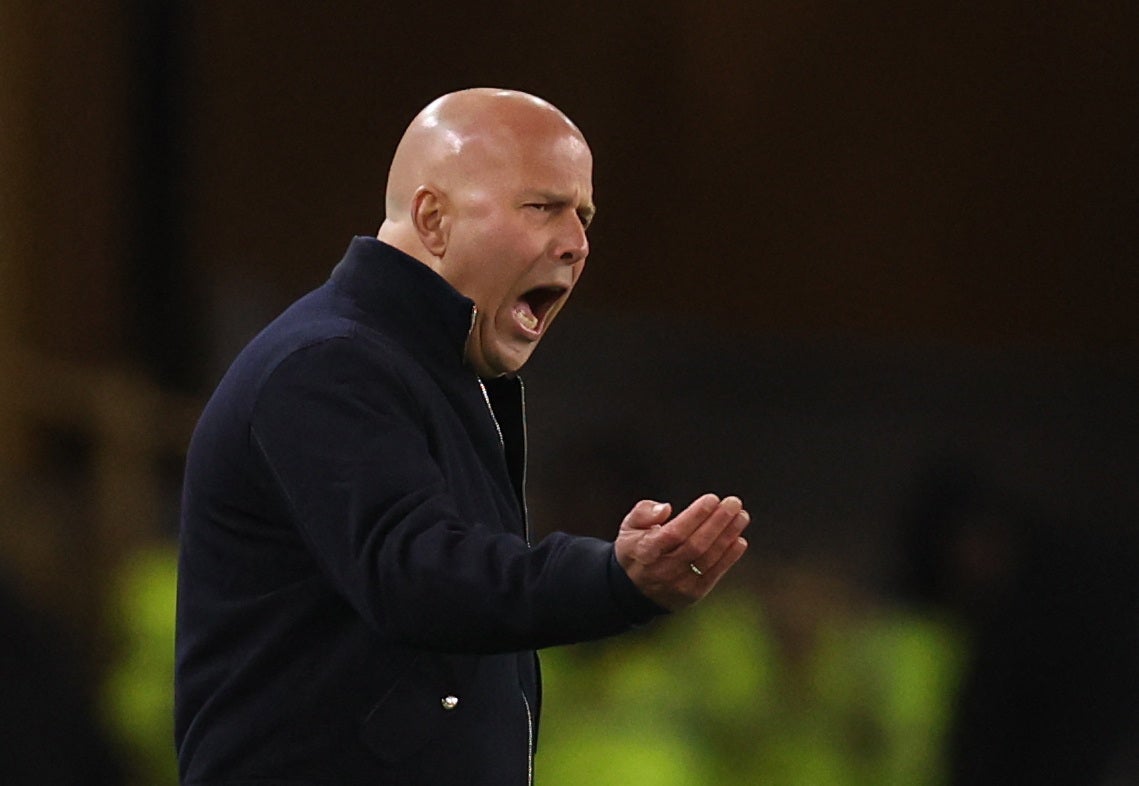
They have conceded to set-pieces and deflections, to wonder goals and scrappy strikes, because of individual errors and individual inspiration. The common denominator is that they have gone in. Virgil van Dijk argued the “massive deflection” off Joe Gomez was a factor in the most recent, but there are recurring themes: Liverpool are stretched as the final whistle approaches. Being willing to commit players forward earned them a 97th-minute winner at Nottingham Forest but has come a cost otherwise. Liverpool lacked the platform to safely go on the offensive at Molineux. A defence that had started to look more solid than at most points this season have now conceded two in consecutive games to sides in the relegation zone.
There are other reasons why injury time can prove so dramatic for them. In 10 of their 29 league games, the result has been altered by a goal (or more) after the 90th minute. In 22 of them, the sides have either been level or separated by one goal as the game ticked into added time.
Both as reigning champions and the team with the £450m spend, Liverpool ought to have been good enough to open up a cushion more often. But the two costliest arrivals were not at Molineux: they missed Florian Wirtz’s creativity as Wolves’ solid central block frustrated them; it is harder to claim they missed Alexander Isak, given that they have barely seen the £125m man at anything resembling his best. Yet, as Hugo Ekitike at least appeared sharp, there were bigger problems on either flank. Mohamed Salah ended a goal drought but was otherwise a study in decline. Cody Gakpo was resoundingly mediocre. It will be harder for Slot to resist the clamour for Rio Ngumoha, a lively substitute, to start, and Steven Gerrard joined it.
And Liverpool captains past and present proved two of their most caustic critics. “The fact is we lost and in my opinion that's all down to us, with all due respect to Wolves,” said Van Dijk, who went on to list shortcomings . “We were very poor. We were too slow and predictable in possession. We made the wrong decisions.” Gerrard’s description of the first half as “a complete waste” was unsparing but accurate.
open image in gallery
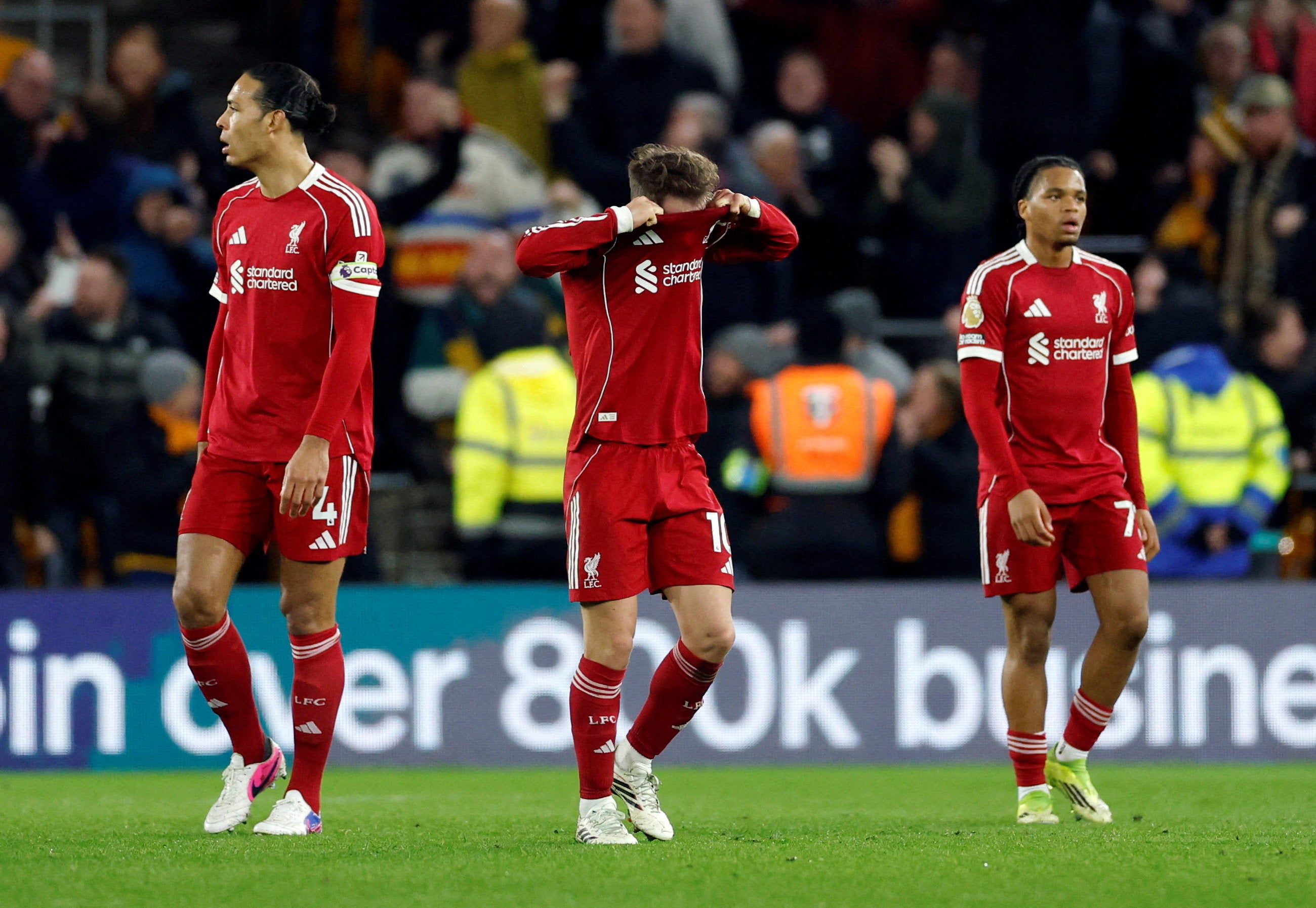
Analysis of Liverpool’s games can start at the end because too little happens at the beginning. The drama is backloaded, but Liverpool render injury time still more significant when the opening exchanges form a different type of timewasting.
The numbers are revealing. Liverpool have only scored five goals in the first 30 minutes of Premier League games – by way of comparison, West Ham have 12 – but, from the 76th minute onwards, there have been 31 goals in their matches: 17 for, 14 against, the most and the second highest respectively.
That might be a consequence of Slotball. There was a time, especially early in his reign, when Jurgen Klopp’s Liverpool would aim to demolish opponents with ferocious early onslaughts. Slot’s style is more calm and considered, which is reflected in his team. But if some of Klopp’s teams played heavy-metal football from the first whistle, this Slot side don’t even approach soft rock.
open image in gallery
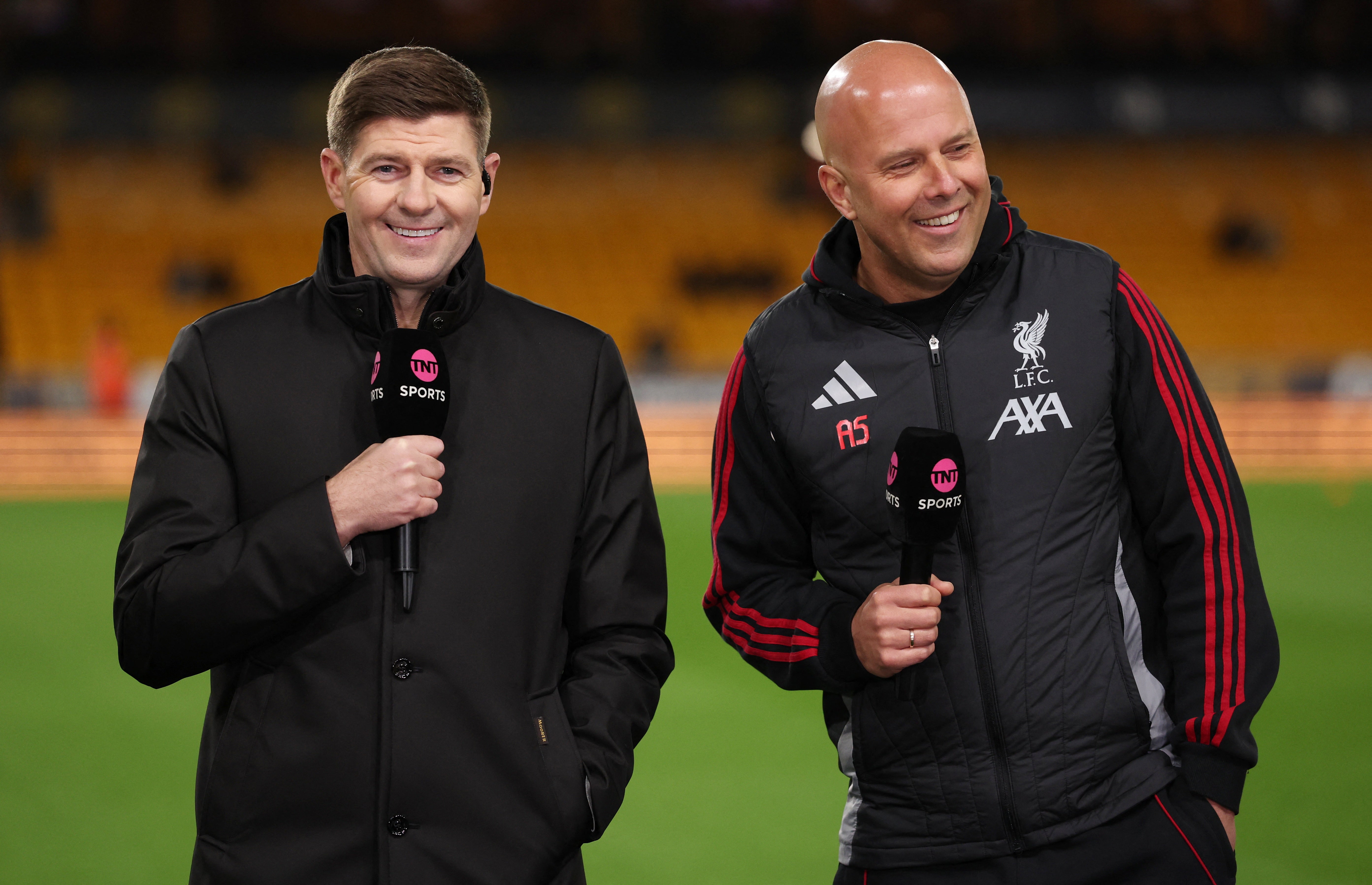
But Slot’s Liverpool scored 25 league goals in the opening 30 minutes of matches last season. Now, in the admittedly artificial measure of a league table for the first half-hour, they are in the bottom three. In the first three months of the season, one of the problems was the balance between defence and attack. That is better now, but there is a separate issue: the balance between the start of games and the end. Liverpool can be ponderous at the off, frantic at the finish.
Their early sterility now could be an attempt to manage their resources. Liverpool have spent a fortune but look short of players, with their squad overextended, with fewer compelling options on the bench than supposedly lesser teams possess. Unhurried starts could be an attempt to ensure their already overworked premier players last 90 minutes: on Tuesday, however, Wolves substitutes Tolu Arokodare and Rodrigo Gomes combined for the breakthrough.
And by making matches shorter, packing the drama into the second half, the last 20 minutes or merely added time, Liverpool arguably give their inferiors a greater chance. Wolves did not really have to beat them over 90 minutes, because the first half was a non-event. So matches can become games of brinkmanship in ever tenser finales. Liverpool have won some, but they have lost too many.