
'/%3e%3cdefs%3e%3clinearGradient%20id='prefix__paint0_linear_4737_37157'%20x1='3.018'%20y1='23.6'%20x2='44.925'%20y2='24.977'%20gradientUnits='userSpaceOnUse'%3e%3cstop%20stop-color='%231CB7FF'/%3e%3cstop%20offset='.502'%20stop-color='%232FF58B'/%3e%3c/linearGradient%3e%3c/defs%3e%3c/svg%3e)

Michael Carrick has changed seven rules at Man Utd as dressing room regulation binned
Feb 06 2026 12:10 · By Kasra Moradi/Senior Sports Journalist · 60 Reads


View 4 Images
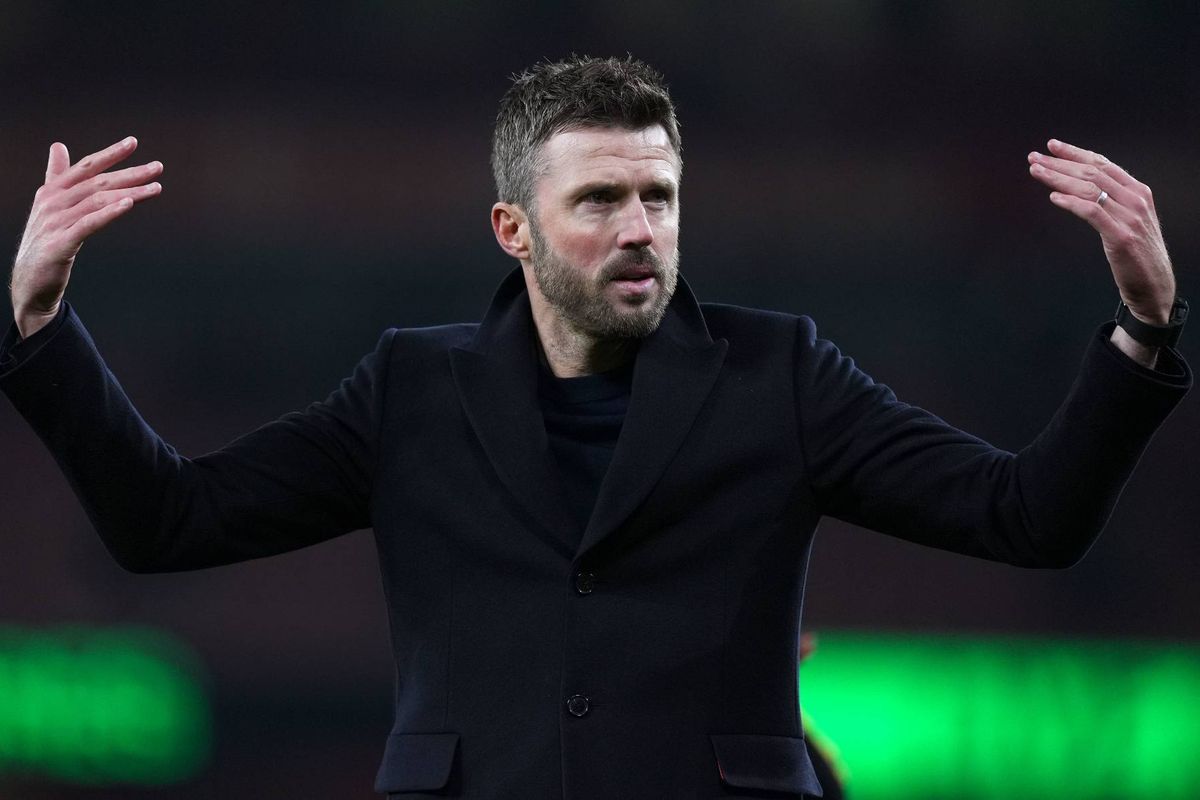
Michael Carrick's Manchester United revolution has seen him transform the club both on and off the pitch after just three weeks at the helm. The legendary former United midfielder was appointed as interim head coach until the end of the season in January.
He replaced the recently sacked Ruben Amorim , whose miserable 14-month spell in Manchester ended seemingly following disputes with the club hierarchy over tactics and transfer business.
Since taking charge, the 44-year-old has secured three wins from three fixtures, restoring hope at United and delivering football that reflects the club's 'DNA'. A convincing 2-0 win in the Manchester Derby was followed by a 3-2 victory away at league leaders Arsenal , before securing a late winner against Fulham last weekend.
Now, Mirror Football examines how Carrick has been able to influence results so quickly in his tenure, by looking at the rule changes he has implemented from Amorim's turbulent spell.
FOLLOW OUR MAN UTD FB PAGE! Latest United news and more on our dedicated Facebook page
Both Amorim and his predecessor Erik ten Hag required players who featured in games to attend the training ground the following day for recovery work. Carrick has scrapped this rule, instead granting designated rest days within 24 hours of a fixture. Recovery sessions have now been rescheduled to take place two days after the final whistle.
Amorim enforced a rigid 3-4-3 system and was unwilling to stray from his approach, despite his squad being better equipped for a more conventional formation. That meant dropping certain players, including academy graduate Kobbie Mainoo , from the first team.
However, a crucial element of Carrick's transformation has been scrapping the 3-4-3 shape and reverting to a more traditional United-style 4-2-3-1 with fast-paced wing play. He has also brought fan favourite Mainoo back into the starting eleven .
View 4 Images
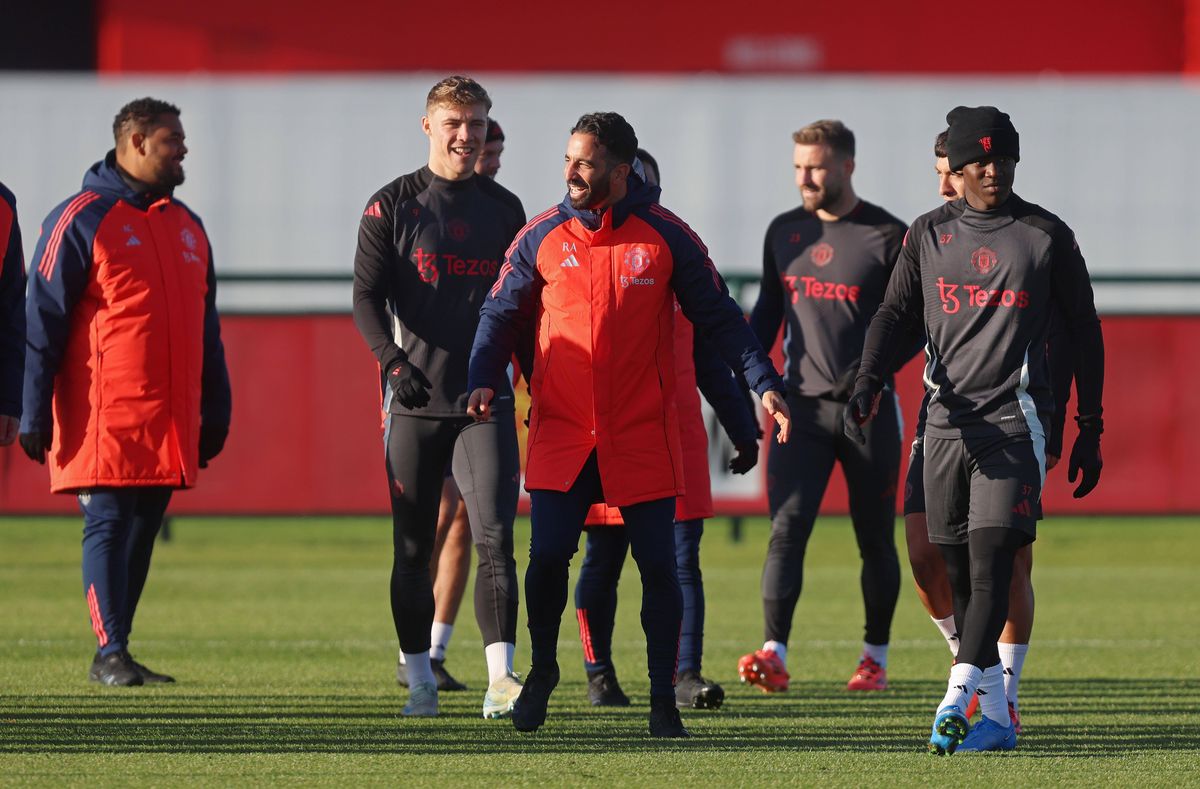
Amorim prohibited food from being taken into the dressing room after emphasising the need to improve player fitness standards, potentially affecting team morale in doing so. Carrick is understood to be scrapping that policy by transforming the dressing room into a haven for players, where they can feel valued.
He has introduced a new philosophy that players must not leave the dressing room until they feel they have been addressed and listened to, by speaking to players immediately after matches. Harry Maguire is reportedly someone who will spearhead this approach and become an influential voice.
That's a departure from Amorim's tenure, where players were supposedly dismissed after matches, frequently without him addressing them, to allow emotions to settle before making hasty decisions. He would then share his views the next day as it afforded him an opportunity to further analyse aspects of the match and provide a measured evaluation once the heat of matchday had subsided.
Amorim reportedly prevented his own coaching team from delivering complex tactical instructions to the players in order to maintain simplicity. Carrick has changed the coaching structure, allowing for a different flow of information and instruction.
Players have been impressed by the more direct involvement of Carrick and his staff in contrast to Amorim, who participated but sometimes chose to watch rather than intervene.
View 4 Images
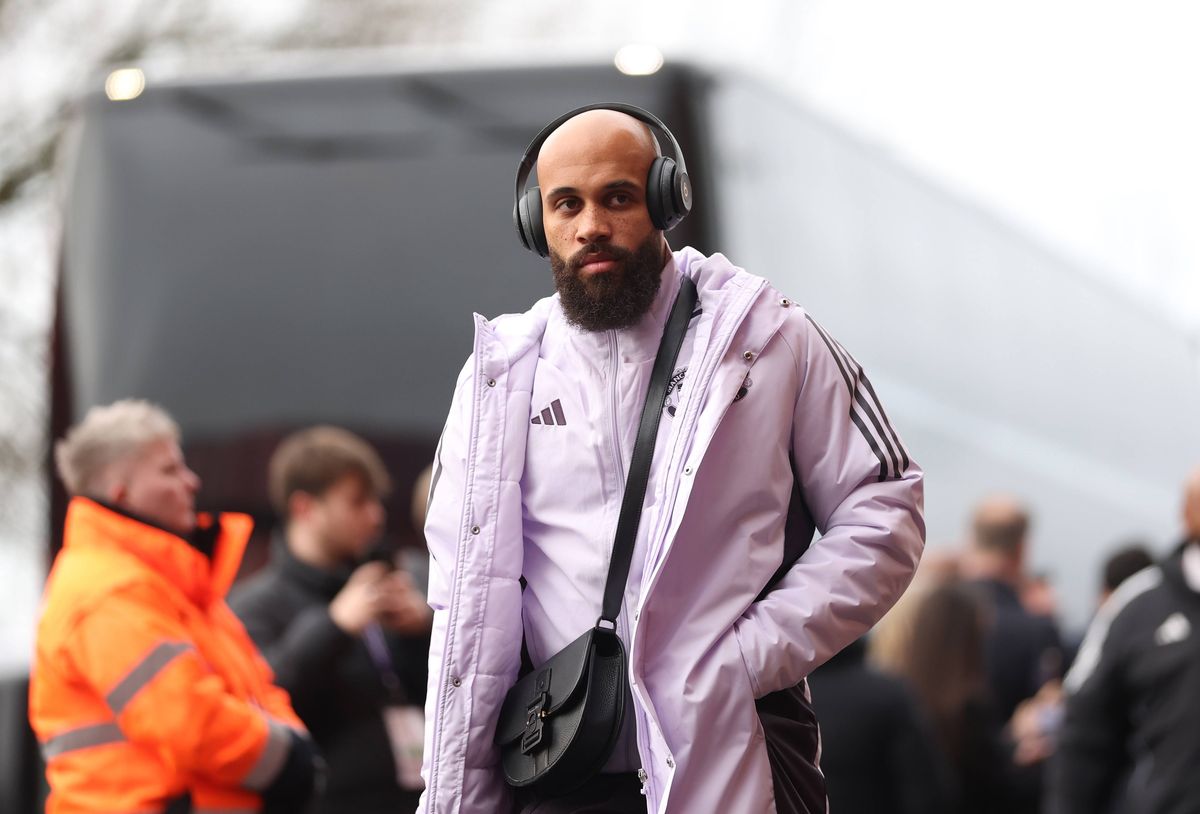
A minor adjustment Carrick has made is having his players arrive at Old Trafford for fixtures slightly closer to kick-off time. The different pre-match routine has been brought in to try to freshen things up, with Amorim being strict on earlier arrival times ahead of fixtures.
For the Premier League victory against City, the team bus turned up around 15 minutes later than normal. This was a deliberate change by Carrick to prevent his players from waiting around in the ground ahead of kick-off, while also guaranteeing his squad received a strong reception.
Carrick has reduced the length of training sessions but raised the intensity of the drills undertaken, with a focus on tailored one-to-one coaching as well. Under Amorim, training sessions were longer but were lower in intensity and had different tactical focuses.
It is believed Carrick made the change to stress the importance of performing at one's best each day. Reports suggest the energy in training is now a far cry from that under Amorim, with Carrick aided by two new assistant coaches in Steve Holland and Jonathan Woodgate.
View 4 Images
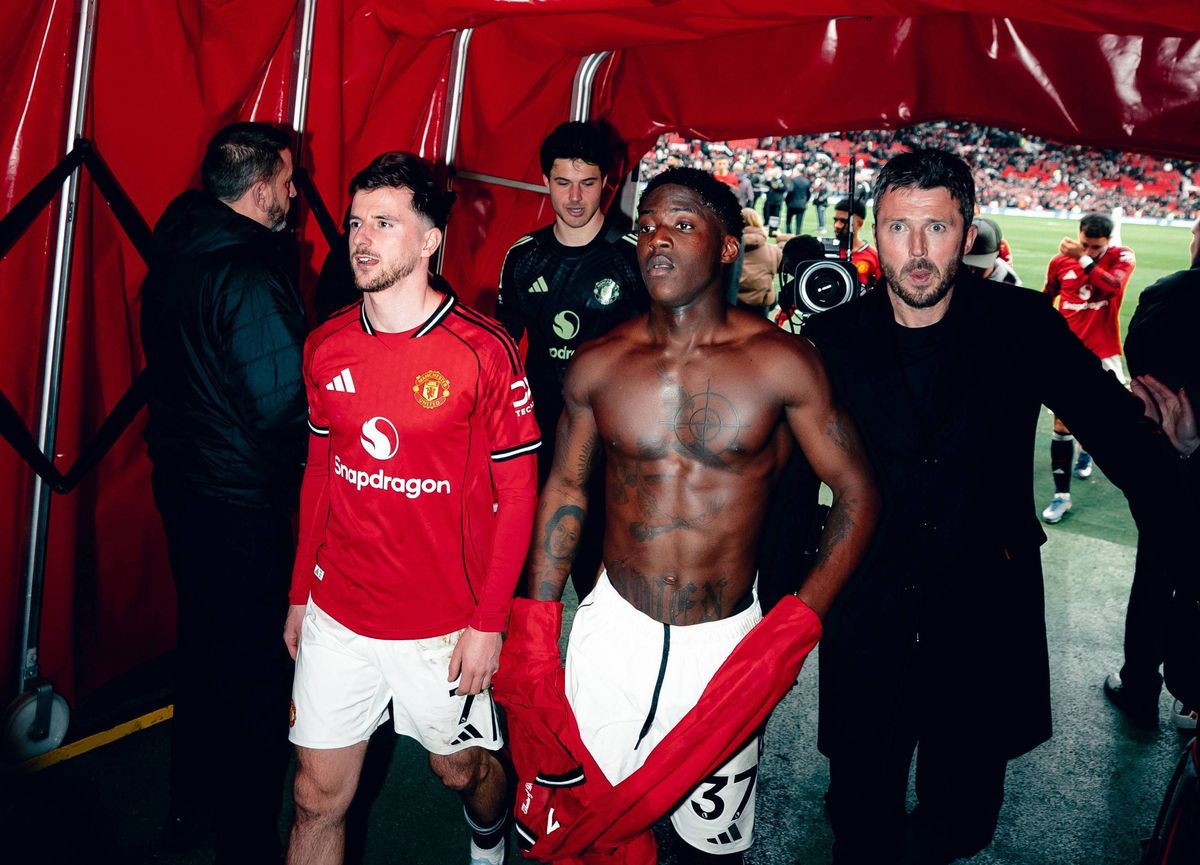
Amorim left fans and former players frustrated by appearing to overlook the club's gifted youngsters who had progressed through the academy. While the Portuguese manager did hand opportunities to players such as Chido Obi, Harry Amass and Ayden Heaven, he also publicly criticised them, alongside Mainoo, which seemed unusual for a United boss to do.
Carrick, in contrast, has already shown a stronger commitment to providing young players with opportunities and engaging with the club's academy more broadly. He recalled youngsters such as Habeeb Ogunneye from loan and Joe Hugill to train with the first team.
Content cannot be displayed without consent